
Finding a water stain on your ceiling or noticing moisture in your attic can be alarming. While the first sign of a roof leak may appear suddenly, the problem that caused it could have been developing for quite some time.
For homeowners in West Michigan, roofs have to withstand changing conditions throughout the year, including heavy rain, snow, ice, high winds, summer heat, and repeated freeze-and-thaw cycles. Over time, weather exposure, aging materials, and damage can create opportunities for water to enter your roofing system.
The good news is that a leaking roof doesn’t automatically mean you need a complete roof replacement. Some leaks can be traced to a specific problem that may be repairable, while others can indicate more widespread deterioration.
Here are seven common causes of roof leaks in Michigan homes and what you should know if you discover one.
1. Damaged or Missing Shingles
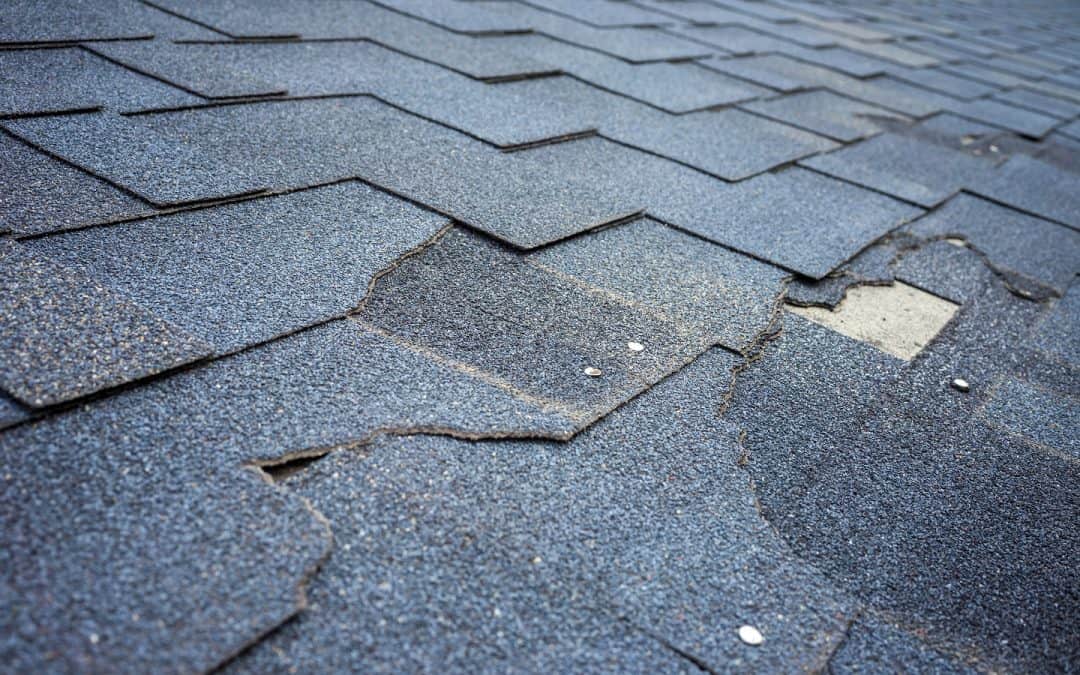
Close-up of damaged asphalt shingles showing cracks and missing pieces, common causes of roof leaks in Michigan.
Shingles are your roof’s first line of defense against rain, snow, and other elements.
Strong West Michigan winds can loosen, lift, or completely remove shingles. Shingles can also crack or deteriorate as they age.
Once a shingle is damaged or missing, the roofing materials underneath may become more exposed to moisture.
You may be able to see obvious missing shingles from the ground, but lifted, cracked, or otherwise damaged shingles aren’t always as easy to spot.
After a significant windstorm, having your roof inspected can help identify damage before it develops into a larger problem.
2. Damaged or Failed Roof Flashing
Flashing is installed around areas where different sections or components of the roof meet. Its job is to help direct water away from vulnerable areas.
You’ll commonly find flashing around:
- Chimneys
- Skylights
- Roof valleys
- Vent pipes
- Walls and roof transitions
- Other roof penetrations
If flashing becomes loose, damaged, corroded, or improperly sealed, water may find its way underneath the roofing materials.
Because flashing problems often occur in specific areas of the roof, identifying the actual source of the leak is important before deciding how it should be repaired.
3. Problems Around Roof Vents and Pipe Boots
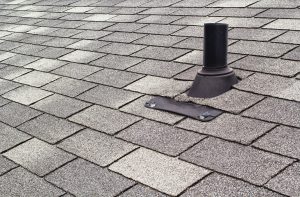
Protect weak points on your home properly to prevent future leaks.
Your roof contains several penetrations for plumbing vents, exhaust vents, and other systems.
These areas typically use flashing, seals, or rubber boots to prevent water from entering around the opening.
Over time, rubber components can crack or deteriorate, seals can fail, and flashing can become damaged.
A relatively small failure around a vent or pipe can allow water into the roofing system and eventually create noticeable staining inside the home.
4. Ice Dams and Michigan Winter Weather
Michigan winters can create unique roofing problems.
An ice dam can form when heat escaping from the home causes snow on the roof to melt. As the water moves toward colder portions of the roof, particularly near the eaves, it can refreeze.
Over time, ice can build up and prevent additional melting snow from draining properly.
Water may then back up beneath roofing materials and potentially enter the home.
Ice dams can also be a sign that attic insulation, ventilation, or heat loss should be evaluated rather than simply treating the visible ice.
5. Clogged Gutters and Poor Roof Drainage
Your gutters are an important part of your overall roofing system because they move water away from the roof and home.
Leaves, sticks, roofing granules, and other debris can prevent water from flowing properly through gutters and downspouts.
When water can’t drain as intended, it can overflow or collect in areas where you don’t want it.
Keeping gutters clear and making sure downspouts are functioning properly can help reduce moisture problems around the roofline and foundation.
Homeowners with trees near their homes may need to check their gutters more frequently, particularly during the fall.
6. Aging Roofing Materials
Sometimes a roof leak isn’t caused by one isolated event.
As roofing materials age, years of exposure to sun, wind, rain, snow, ice, and temperature changes can gradually reduce their ability to protect the home.
Older asphalt shingles may begin to show:
- Curling or cracking
- Granule loss
- Brittle areas
- Missing shingles
- Widespread deterioration
- Repeated leak problems
A single issue on an otherwise healthy roof may be repairable. However, if leaks are becoming more frequent and the entire roofing system is showing significant wear, it may be time to discuss whether continued repairs or roof replacement makes more sense.
7. Storm, Wind, or Hail Damage
Severe weather can damage a roof even when everything looks normal from the ground.
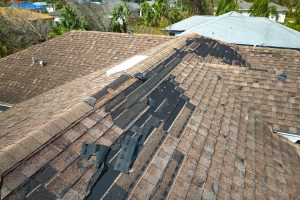
Nature sometimes wins with fallen trees or strong winds but a good product and install can prevent an even more dangerous outcome.
High winds can lift shingles or compromise their seals. Hail can damage roofing materials and contribute to granule loss. Falling tree limbs and wind-driven debris can also cause direct damage.
One of the challenges with storm damage is that the resulting leak may not always appear immediately.
Water can enter the roofing system and travel along decking, rafters, insulation, or other materials before becoming visible inside the home.
If your area experiences a significant storm and you’re concerned about your roof, an inspection can help identify problems that may not be obvious from your yard.
Why Is My Ceiling Leaking in a Different Spot Than My Roof?
One of the more confusing things about roof leaks is that the water stain inside your home may not be directly below the place where water entered the roof.
Once water gets beneath the roofing materials, it can travel.
Water may follow:
- Roof decking
- Rafters
- Pipes
- Wiring
- Insulation
- Framing
It may eventually appear several feet away from the original entry point.
That’s why simply looking directly above a ceiling stain doesn’t always reveal the source of a roof leak.
Why Checking the Attic Matters
When accessible and appropriate, the attic can provide valuable clues about what’s happening with a roofing system.
Signs of a potential moisture problem can include water staining, damp insulation, discoloration on roof decking, or other evidence of water intrusion.
The attic can also reveal ventilation or moisture conditions that aren’t visible from the exterior of the home.
A thorough roof evaluation shouldn’t always stop at what can be seen from the ground. Understanding what’s happening beneath the roofing materials can help identify the actual cause of the problem.
Does a Roof Leak Mean I Need a New Roof?
Not necessarily.
The right solution depends on several factors, including:

Don’t let interior water leaks caused by a leaky roof become a bigger problem when the solution may be simple.
- The age of the roof
- The source of the leak
- How widespread the damage is
- The condition of surrounding shingles
- The condition of flashing and roof penetrations
- Whether there are multiple problem areas
- Whether the roof has required repeated repairs
If the problem is isolated and the rest of the roof is in good condition, a repair may be appropriate.
If the roofing system is older and showing widespread deterioration or repeated problems, replacement may make more financial sense than continuing to make individual repairs.
The important part is determining why the roof is leaking before deciding what to do about it.
What Should You Do If Your Roof Starts Leaking?
If you notice an active leak, water stain, or unexplained moisture, don’t ignore it simply because the problem appears small.
Water intrusion can potentially affect insulation, drywall, roof decking, framing, and other areas of the home.
If possible, protect the interior area from additional water and document what you’re seeing. Then have the roofing system evaluated to determine where the water is entering and what needs to be corrected.
Avoid climbing onto a wet, icy, damaged, or steep roof yourself. Roofing problems are safer to evaluate with the proper equipment and experience.
Roof Leak Repair and Roofing Inspections in West Michigan
If you’ve noticed a roof leak or aren’t sure whether recent weather damaged your roof, Great Lakes Building Concepts can inspect your roofing system and help identify the source of the problem.
Our team serves homeowners throughout West Michigan with roof inspections, roof repairs, and complete roof replacement when needed.
The goal isn’t to assume every roofing problem requires replacement. It’s to understand what’s happening with your roof and determine the appropriate next step for your home.
Contact Great Lakes Building Concepts today to schedule a roof inspection or request an estimate.
Frequently Asked Questions About Roof Leaks
What is the most common cause of a leaking roof?
There isn’t one cause for every home. Damaged shingles, deteriorated flashing, failed seals around roof penetrations, aging materials, storm damage, and ice-related problems can all lead to roof leaks. An inspection can help determine where the water is actually entering.
Can a roof leak be repaired without replacing the entire roof?
Yes. Some roof leaks are caused by isolated problems that can be repaired without replacing the entire roofing system. The age and overall condition of the roof, along with the extent of the damage, should be considered before deciding between repair and replacement.
Why does my roof only leak during heavy rain?
Leaks that appear primarily during heavy or wind-driven rain may involve damaged shingles, flashing, roof penetrations, valleys, or other vulnerable areas. The direction and volume of rain can expose an issue that isn’t noticeable during lighter rainfall.
Can a roof leak cause damage even if it’s small?
Yes. Even a small amount of recurring water intrusion can potentially damage insulation, drywall, roof decking, framing, or other building materials over time. It’s a good idea to identify the source rather than waiting for the visible leak to become larger.
Can clogged gutters cause roof leaks?
Clogged gutters can prevent water from draining properly and contribute to moisture problems around the roofline. Keeping gutters and downspouts clear helps move water away from the roof and home as intended.
Should I have my roof inspected after a major storm?
If your home experienced high winds, hail, falling debris, or other severe weather, an inspection can help identify damage that may not be visible from the ground. Not all storm damage immediately results in an obvious leak.
Who should I call for a leaking roof in West Michigan?
Great Lakes Building Concepts provides roofing inspections, repairs, and roof replacement for homeowners throughout West Michigan. A professional evaluation can help determine the source of the leak and whether repair or replacement is appropriate.