

If you feel a cold draft every time you walk past a window, your home may be telling you something. Drafty windows are a common problem for Michigan homeowners, especially as temperatures begin to drop in the fall and winter.
A draft doesn’t always mean you need new windows immediately. Sometimes the problem can be corrected with weatherstripping or sealing. In other cases, drafts are a sign that the windows are aging, damaged, poorly installed, or no longer providing the energy efficiency your home needs.
For homeowners in West Michigan, finding the cause before winter arrives can help improve comfort, reduce heat loss, and determine whether window repair or window replacement is the better long-term solution.
Here are seven common reasons your windows may be drafty.
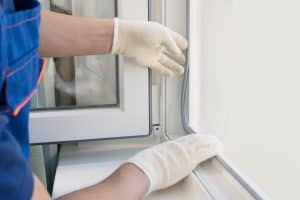
Worn or damaged weatherstripping can allow cold outside air to enter around the window sash.
1. Worn or Damaged Weatherstripping
Weatherstripping helps create a seal between the moving parts of your window and the frame. Over time, it can become compressed, cracked, loose, or worn away.
Once that seal is compromised, outside air can make its way into your home.
Michigan’s changing seasons can be particularly hard on window components. Repeated exposure to summer heat followed by freezing winter temperatures can cause materials to expand, contract, and deteriorate over time.
Replacing worn weatherstripping may solve minor drafts, especially if the window itself is still in good condition.
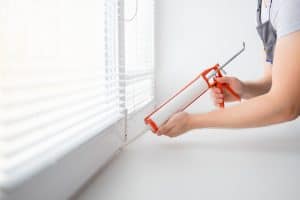
Gaps or deteriorated caulk around a window frame can allow outside air into the home.
2. Gaps Around the Window Frame
Sometimes the window isn’t actually the source of the problem. Air may be entering through gaps between the window frame and the surrounding wall.
These gaps can develop because of aging caulk, movement of the home, improper installation, or deterioration around the exterior of the window.
Even a relatively small opening can allow cold West Michigan air into the house.
Check around the interior and exterior edges of your windows for visible cracks, deteriorated caulk, or areas where the window no longer appears tightly sealed against the home.
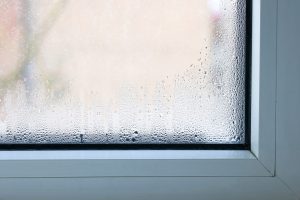
Moisture trapped between window panes is one of the most recognizable signs of a failed insulated-glass seal.
3. Failed Window Seals
Modern double- and triple-pane windows rely on sealed glass units to provide insulation. When those seals fail, the window can lose some of its insulating ability.
One of the most recognizable signs of a failed seal is condensation or fogging between the panes of glass.
You can’t simply wipe this moisture away because it is trapped inside the glass unit.
A failed seal doesn’t always create a draft you can physically feel, but it can reduce the window’s energy efficiency and contribute to uncomfortable temperatures near the window.
If several windows have failed seals, it may be worth comparing the cost of individual repairs with the long-term benefits of replacement windows.
4. The Windows Were Improperly Installed
Even a high-quality window can perform poorly if it wasn’t installed correctly.
Improper measurements, inadequate insulation around the frame, incorrect flashing, or poor sealing during installation can all create opportunities for outside air and moisture to enter.
Installation problems may become particularly noticeable during a Michigan winter, when the temperature difference between the inside and outside of your home is significant.
If your windows have always seemed drafty—even when they were relatively new—the installation itself may be worth inspecting.
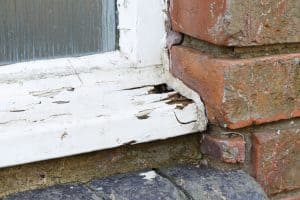
Rot, cracking and other frame deterioration can prevent an older window from maintaining a tight seal.
5. Aging or Deteriorating Window Frames
Window frames don’t last forever.
Depending on the window material, age, maintenance, and exposure to weather, frames can eventually warp, crack, rot, or pull away from surrounding materials.
Wood windows may develop rot from prolonged moisture exposure. Other materials can warp or become damaged over time.
Once the frame can no longer maintain a tight seal, caulk and weatherstripping may only provide a temporary solution.
Significant frame deterioration is often one of the stronger indications that window replacement may be a better investment than continued repairs.
6. Windows That No Longer Close or Lock Tightly
Your window’s locking mechanism does more than provide security. On many windows, locking the sash helps pull it tightly against the weatherstripping to create a proper seal.
If the window is difficult to close, doesn’t sit squarely in the frame, or the lock no longer pulls it tightly into position, outside air may enter around the sash.
This can happen because of worn hardware, a warped sash, frame movement, or age.
Try closing and locking the window completely. If you can still feel noticeable air movement around the sash, there may be a larger issue with the window.
7. Your Windows Are Simply Getting Old
Sometimes drafty windows aren’t caused by one specific failure. They’re the result of years of normal wear.
Older windows may have deteriorating seals, outdated glass, worn hardware, damaged frames, and significantly less insulating capability than today’s replacement windows.
Age alone doesn’t mean a window needs to be replaced. However, if you’re dealing with drafts, condensation, difficulty opening and closing windows, rising energy costs, or multiple repairs, replacement may begin to make more sense.
How Can You Tell Where a Window Draft Is Coming From?
Start by carefully checking around the entire window.
On a cool or windy day, slowly move your hand around the edges of the sash and frame. You may be able to feel where cold air is entering.
Also look for:
- Cracked or missing caulk
- Damaged weatherstripping
- Condensation between glass panes
- Visible gaps around the frame
- Rotting or deteriorating window materials
- Windows that don’t close completely
- Locks that no longer pull the window tightly shut
A professional window inspection can help identify problems that aren’t immediately visible and determine whether the issue is with the window, installation, glass, or surrounding opening.
Can Drafty Windows Be Repaired, or Should They Be Replaced?
It depends on what’s causing the draft.
A relatively new window with deteriorated caulk or weatherstripping may only need a simple repair. If the problem involves a severely damaged frame, multiple failed seals, poor installation, or aging windows throughout the home, replacement may provide a better long-term solution.
It’s also worth looking at the overall condition of the windows rather than focusing on one draft. Repeatedly repairing older windows can eventually become less practical than replacing them with modern, properly installed windows.
For West Michigan homeowners who are unsure, having the windows evaluated can help determine which problems can be repaired and which windows may be ready for replacement.
Why Fall Is a Good Time to Address Drafty Windows in West Michigan
You don’t have to wait until the middle of winter to discover that your windows aren’t keeping the cold out.
Fall is an ideal time to inspect your windows because cooler temperatures can make drafts easier to notice while still giving homeowners time to address problems before the coldest part of a Michigan winter arrives.
If you’re already considering replacement, planning the project before winter can also help improve comfort and energy efficiency during the months when your home’s windows matter most.

Proper window installation helps create a tight seal and improve the comfort and efficiency of your home.
Window Replacement in West Michigan
If your windows are drafty, difficult to operate, fogging between the panes, or showing signs of age and deterioration, it may be time to have them evaluated.
Great Lakes Building Concepts provides window replacement services for homeowners throughout West Michigan. Our team can inspect your existing windows, help identify the source of drafts or other problems, and discuss replacement options that fit your home.
If you’re considering replacement windows in West Michigan, contact Great Lakes Building Concepts to schedule an estimate and learn more about your options before colder weather arrives.
Frequently Asked Questions About Drafty Windows
Does a drafty window always need to be replaced?
No. Minor drafts caused by deteriorated caulk or weatherstripping may be repairable. Replacement is more likely to make sense when windows have significant frame damage, failed seals, installation problems, or multiple age-related issues.
Why do my windows feel draftier in the winter?
Cold outdoor temperatures make air leaks much easier to notice. Temperature differences between the glass and the interior of the home can also make the area around older, inefficient windows feel colder even when there isn’t a significant physical air leak.
Is condensation between window panes a sign I need new windows?
Condensation trapped between panes usually indicates that the insulated glass seal has failed. Depending on the age and condition of the window, the glass unit may be repairable, or replacing the window may be the better long-term option.
Can new windows help with energy efficiency?
Properly installed modern windows can reduce air leakage and improve insulation compared with older or failing windows. Actual energy savings vary depending on the condition of the existing windows, the home, and the replacement products selected.
When should I replace windows in Michigan?
Window replacement can be completed during several seasons, but fall is a good time to evaluate drafty or aging windows before Michigan’s coldest weather arrives. Scheduling earlier can also help homeowners address problems before winter makes them more noticeable.